
Value For The Artist
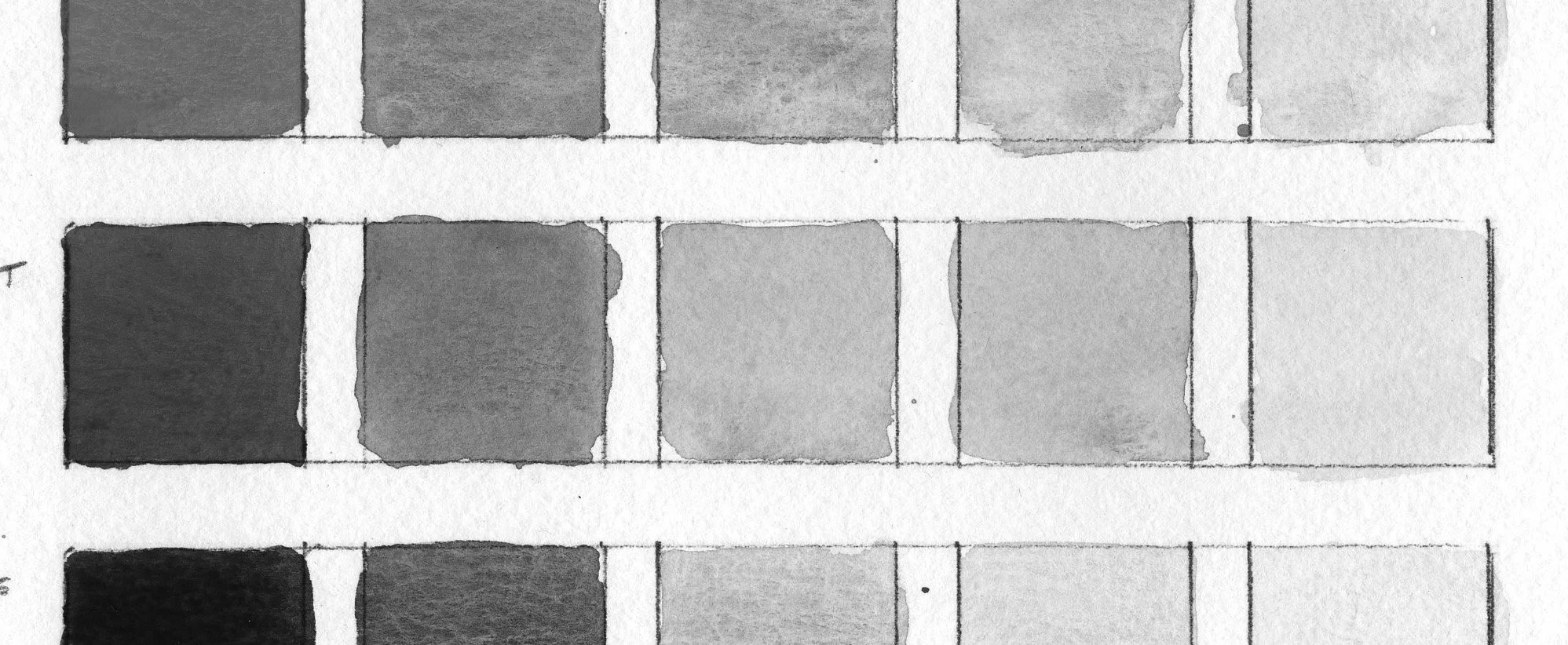
It is not difficult to understand the concept of value. At the most basic level it is It a measure of the lightness or darkness of a particular color. This measure can be absolute, as when comparing a color to the various shades on a value scale. This is important information to know in terms of the colors you have on your palette. Some are lighter, others darker, when they are fresh out of the tube.
The Importance Of Value In Painting
Of all the characteristics of color, value is arguably the most important one to understand because it has two important uses in painting.
First, properly placed values will help the viewer understand the apparent three-dimensional form of an object by representing recognizable light and shadow patterns.
Second, the underlying structure of the strongest compositions is defined by the effective arrangement of a small handful of large shapes each with a separate, distinct value.
Color Value
Every color of paint you can buy has an inherent value when it is squeezed from the tube. The value can be determined easily just by looking at the color as it is on your palette or after placing it on a color chart.
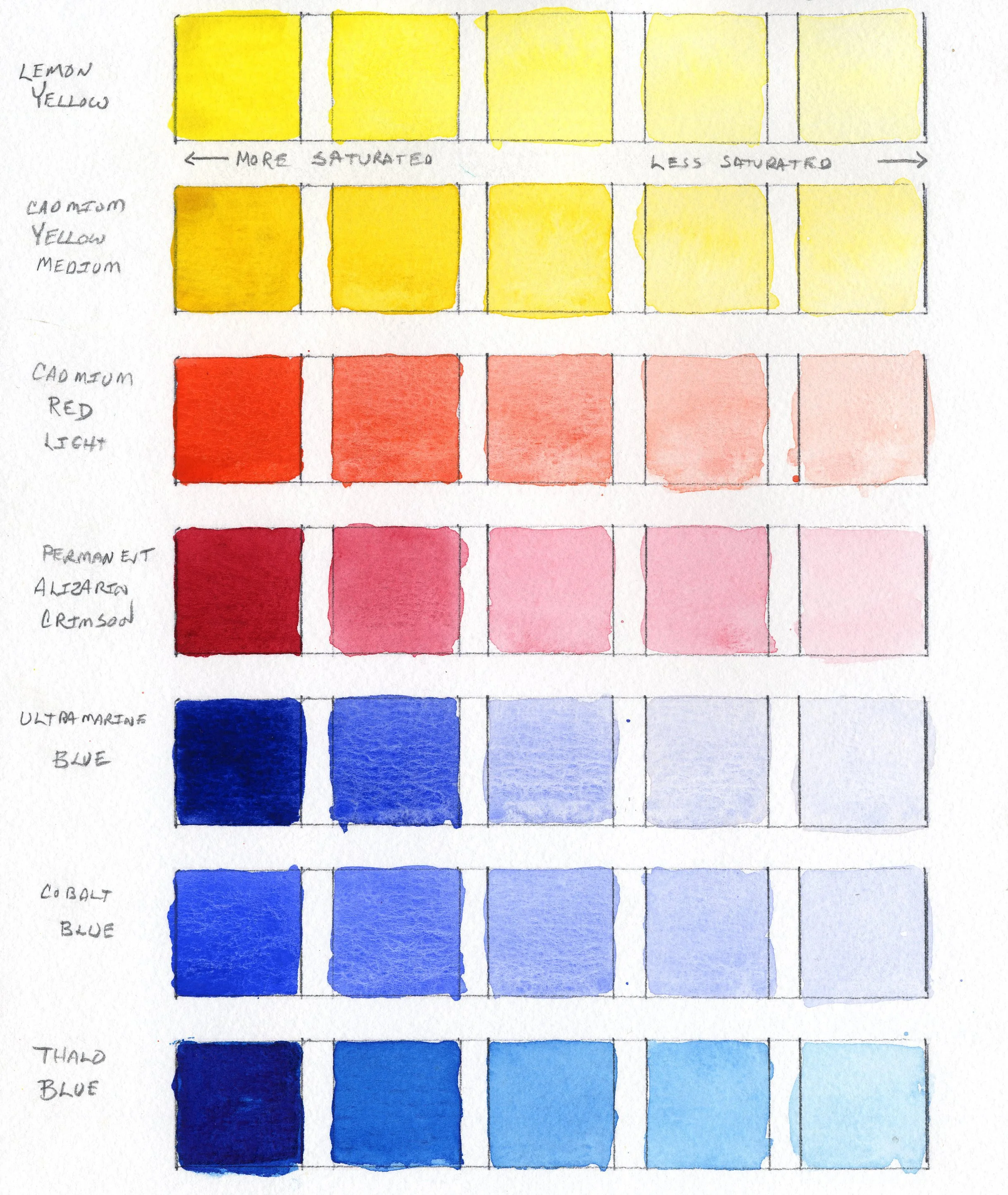
Color Chart displays the range of value for seven common watercolor paints.
Notice the Hue in the left most spot on each color chart. For most of these hues, this is the home value, meaning the value of the hue when it is at its brightest and most intense.
In looking at your palette of color, you’ll likely notice that most colors are light or in the mid-value range.
It’s likely that the darkest colors on your palette are also on the cool side – violets, blues and greens.
In watercolor, our medium is ... water! To get color on the paper while retaining the transparency that is unique to this medium, it is essential to use a great deal of water. Water is also our white, so using it generously in our paintings automatically lightens the colors even more than they already are.
Light And Form
Value, or more importantly, value relationships are important in representing the illusion of three-dimensional form on the two-dimensional paper that you are painting on.
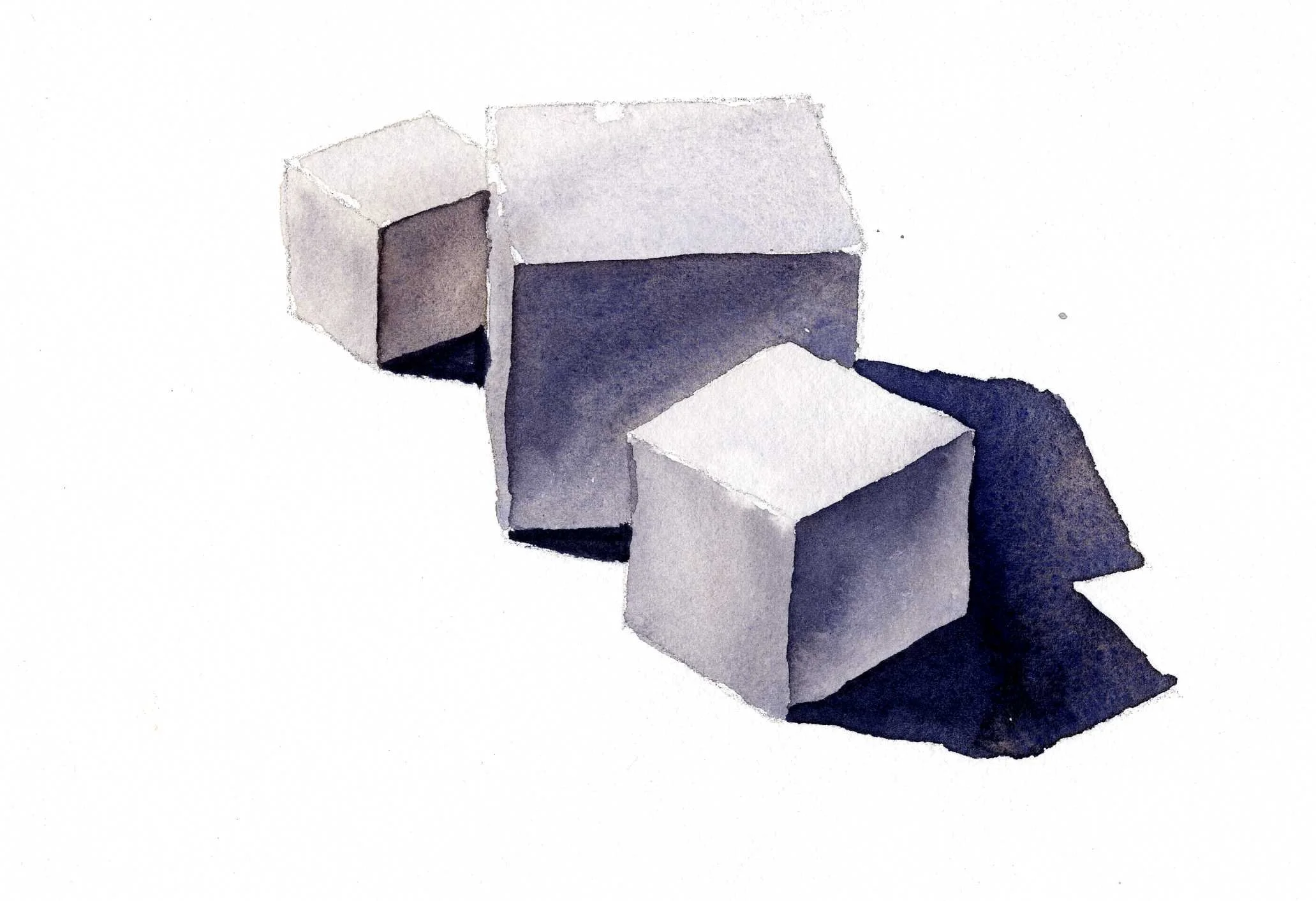
Study Of Three Cubes In Light - Values Are Placed To Represent The Recognizable Light And Shadow Pattern
Light effects are complex but there is always a distinct, recognizable pattern of light, middle and dark value. Applying this pattern effectively requires a good understanding of not only value but the value of the hue (or color value, referenced above).
Composition
The pattern of light, dark and mid-value shapes and their relationship to each other is arguably the most important factor in the strength of a painting composition.
Representational artists have the very difficult task of creating an illusion of three-dimensional reality within the borders of a two-dimensional picture plane.
It is sometimes a difficult idea to accept, but the compositional structure that supports the representational subject is best begun as an abstract design that focuses on building a dynamic divsion of space within the picture plane, using a few non-representative shapes - each with an assigned value - light, mid, or dark.
These simple, abstract compositions are usually done at very small scale - you may have heard the term ‘thumbnail’ sketch. Thumbnail sketches are those small compositional studies that explore shape and value prior to painting.
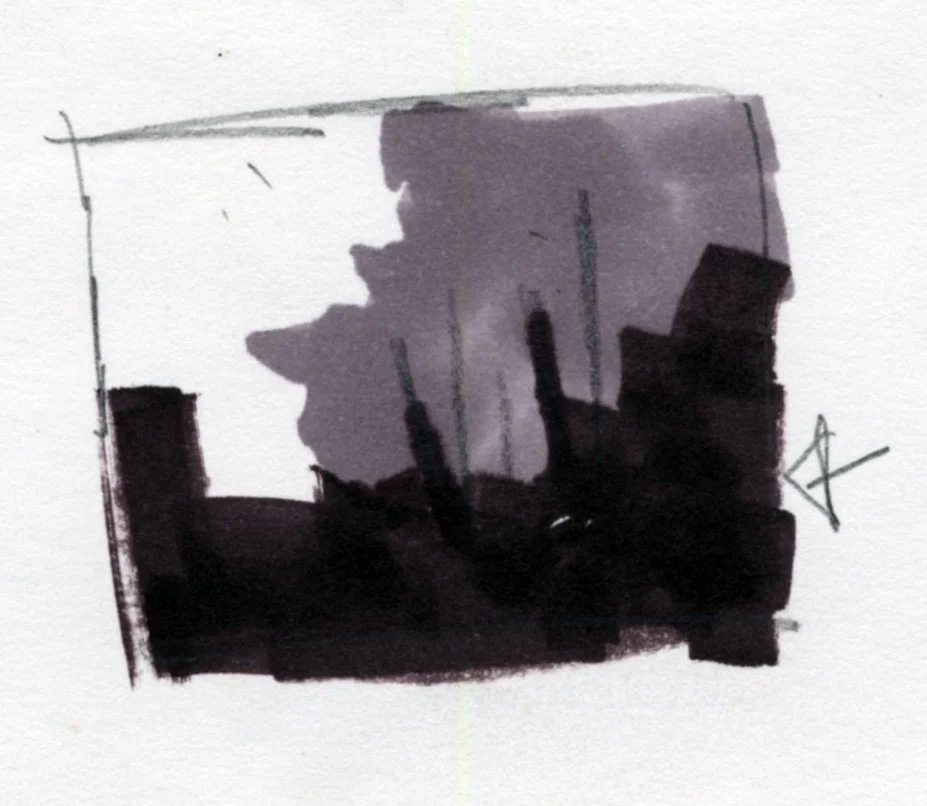
A simple three-value composition thumbnail sketch
Often, the value composition thumbnails have very little, if any, recognizable objects. It is actually preferable since the strength of the painting comes from the composition and structure, rather than the subject.